Most photographs are lost in the half-second before the shutter. Not to expensive gear or far-flung locations, but to five habits that settle in quietly and then start to feel like part of your personality. Each one has a fix, and every fix can be practised on a fifteen-minute walk from your own front door.
Hesitation: The Half-Second That Costs the Shot
You see it. A man in a bright coat steps between two delivery vans. A woman laughs at something on her phone in a doorway. A puddle lines up perfectly with a lamp post. The camera comes up, then goes back down, and the moment is gone. On the walk home you tell yourself there was nothing there anyway.
That pause is the most common problem in street photography, and it is a nerves problem rather than a skill problem. Hovering with a camera in your hand is what makes people uneasy. Lifting it, taking a frame and moving on is usually unremarkable. Pick one of those two behaviours and commit to it.
- Set up before the picture arrives. Choose an exposure for the street you are standing on and, if your lens allows, set zone focus at roughly two to three metres. Stop fiddling with dials while you walk.
- Use a three-count. Spot, lift, shoot. Repeat until raising the camera stops feeling like an event.
- Start where you are invisible. Backs of heads, silhouettes, reflections, busy markets and crowds give you room to build the habit without drawing attention.
- Don't review on the spot. Screen-checking makes you look uncertain and breaks your rhythm. Look later.
- If you decide not to take it, walk on. Loitering at the edge of someone's day is far stranger than a single frame.
Cluttered Frames: When Everything Is In and Nothing Is Said
A beginner's frame usually has four interesting things in it and no clear subject. The eye has nowhere to land, so it gives up. Before you press the shutter, answer one question honestly.
What is this photograph about?
If the answer takes more than a sentence, the frame is doing too much. Four reliable moves will clean it up: get closer than feels comfortable, change your height, wait for a gap, or use something in the scene as an edge. A doorway, a wall, a parked van or the dark side of a street all work as natural frames because they block the parts you don't need.
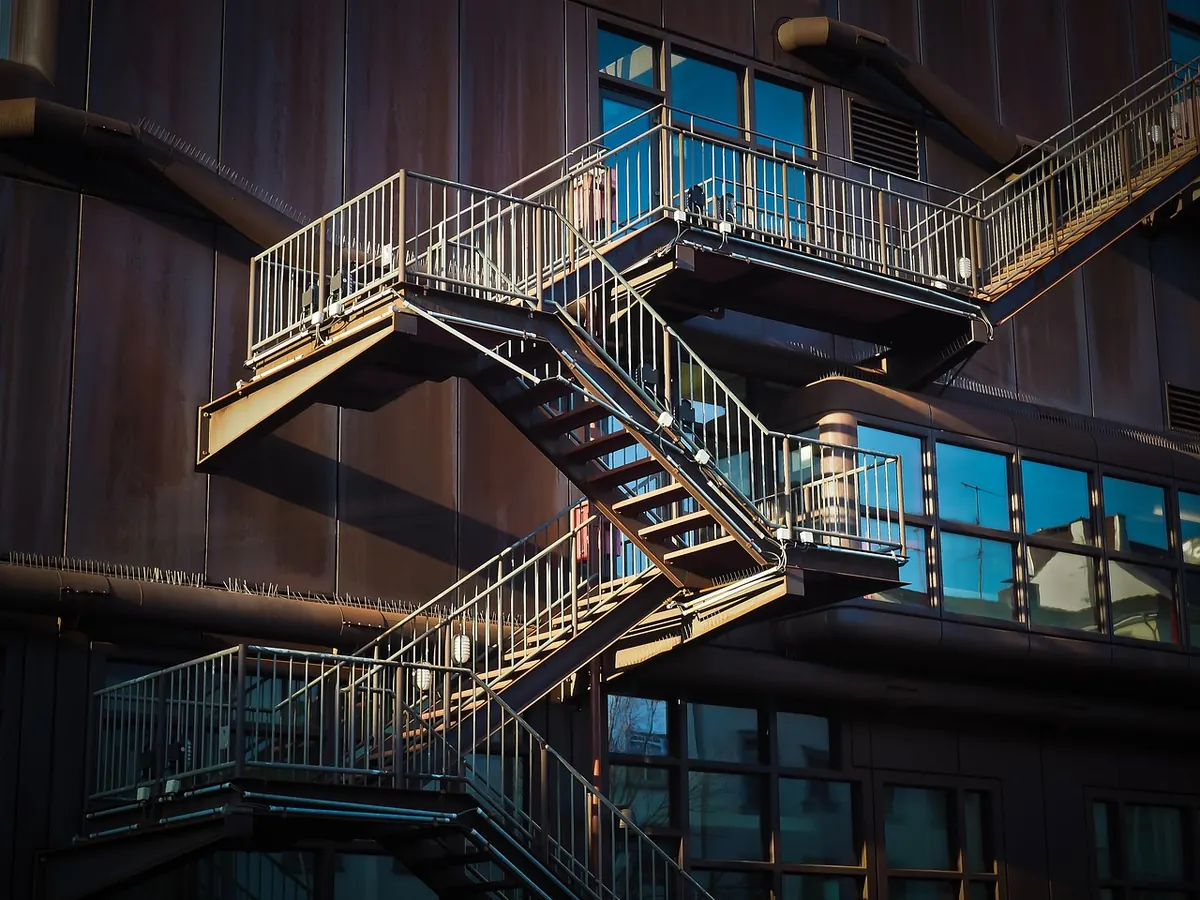
Light is an editing tool too. A shaft of sun down an otherwise grey street isolates whoever walks into it. Shoot into shadow and let a bright background swallow the clutter. Sometimes the strongest version of a busy scene is a single detail: a pair of hands, two sets of feet mid-stride, a reflection in a shop window that holds one figure and nothing else.
Treating People as Props
There is a difference between photographing a street and photographing the people on it as though they were street furniture. The second approach produces flat pictures and, more importantly, it makes the job harder for everyone who comes after you.
Situations worth avoiding: following someone after they have noticed you, shooting through a window into somebody's home, photographing people in distress or embarrassment, and photographing children in ways that could be misread by any reasonable parent. If someone signals no — a raised hand, a turned shoulder, a hard look — stop. That is the whole conversation.
If you are challenged, answer plainly. "I'm a photographer, I'm working on a project about the market" is enough for most people. If somebody asks you to delete a picture, delete it in front of them and thank them. Respect also extends to where the image ends up: a person who was happy to be photographed in a Tuesday market has not agreed to appear in an advertising campaign.
A quick word on the law
Rules differ between countries and between contexts. Photographing in a public place is generally lawful in the UK, but harassment, privacy and commercial publication are separate matters with their own considerations. If you plan to sell, license or publish work commercially, check current guidance or take professional advice rather than relying on what a forum told you.
Poor Light Reading: Chasing Subjects Instead of Light
Most people hunt for a subject and hope the light behaves. Do it the other way round. Walk a street and note where the light actually falls: which side is lit, where the shadows run, which doorway is glowing. Then wait for a person to walk into it.
Side light gives shape and long shadows, and it is usually the most flattering for a street scene. Backlight gives you rims and silhouettes — expose for the bright areas and let the shadows go dark. Overcast light is soft and even, kind to faces but short on drama; use it for expressions and colour rather than geometry. Harsh midday sun is difficult, so either use it deliberately for graphic shadow shapes or step into the shade and shoot against a sunlit background.
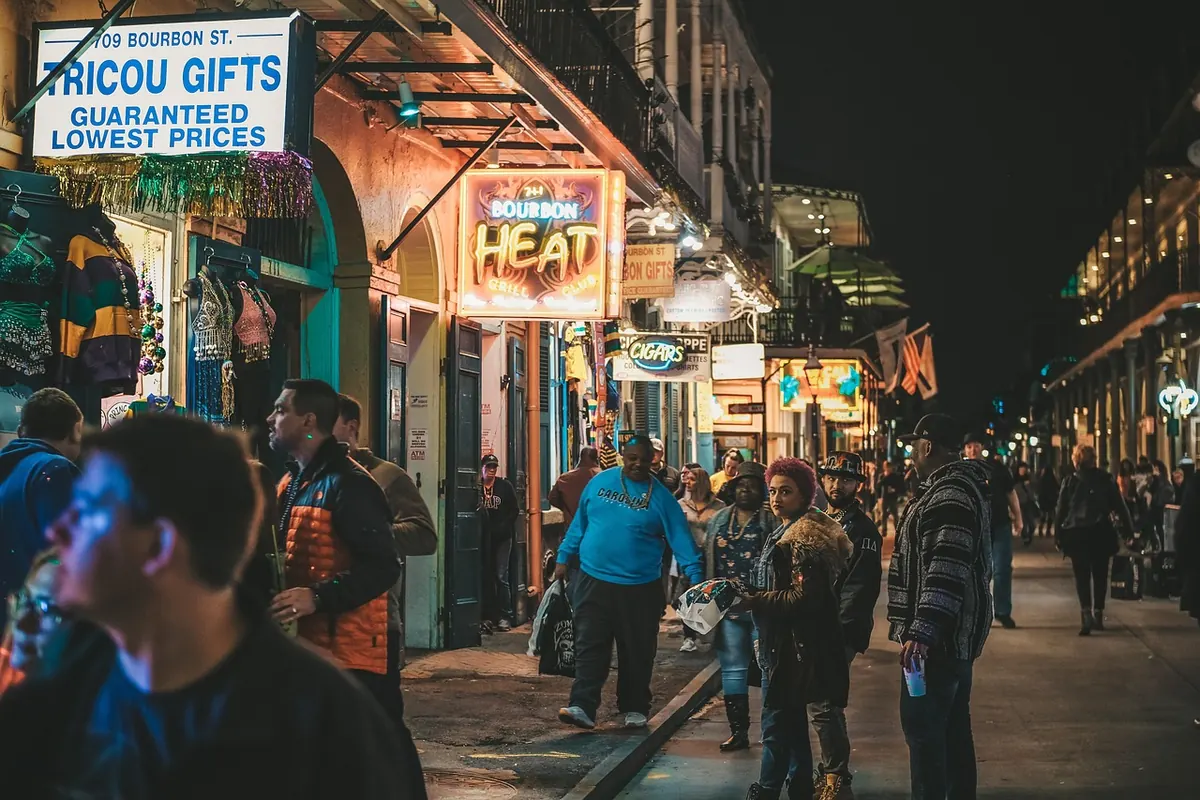
Weather is not an obstacle. After rain, pavements turn into mirrors and shop windows turn into screens. At night, look for pools of light — a single lamp, a bus shelter, a phone screen — and let the rest of the frame fall away.
Missed Moments: The Anticipation Problem
Moments are rarely missed by a fraction of a second. They are missed by a couple of metres, or by several seconds of not being ready. The fix is anticipation rather than speed.
Find a background you like, set your frame, set your focus and wait. This is the oldest technique in street photography and it still works: you are not being passive, you are choosing your scene and letting the city deliver the subject. Give it ten minutes before you move on. While you wait, learn to read body language — someone about to step off a kerb, two people on a collision course, a hand reaching for a door handle.
Don't overlook the moments either side of the obvious one. A person settling into a conversation is often more interesting than the laugh that follows. And do try a "no-delete walk": one hour, no checking the screen, no deleting, no second-guessing. Edit when you get home, with a cup of tea and a clear head.
A Short Field Checklist
Before you leave: battery charged, card formatted, lens chosen, exposure set for the light outside. When something catches your eye: ask what the photograph is about, check where the light is coming from, and decide which edge of the frame keeps the clutter out. After the frame: keep walking, don't review, and say thank you if you catch someone's eye.
Then do the thing that actually improves your pictures. Pick one street you know well and walk it once a week for a month, in different weather at different times of day. You will stop chasing scenes and start seeing them arrive.
Photo: Juuud28 / Pixabay